
Introduction
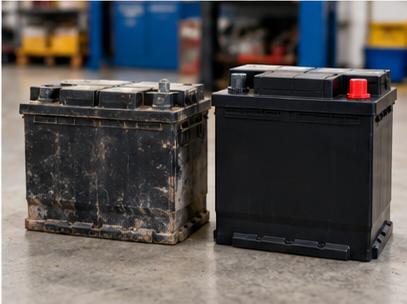
A reliable car battery is essential for everyday driving, whether you are commuting to work, running errands or preparing for a long road trip. However, like other vehicle components, batteries gradually lose their ability to hold and deliver a charge. When this happens, your car may begin showing warning signs that are easy to overlook until the engine refuses to start.
Understanding when you need a car battery replacement can save time, reduce inconvenience and help prevent unexpected roadside breakdowns. Common symptoms include slow engine cranking, dim headlights, clicking noises when starting the vehicle and electrical systems that behave inconsistently.
Australian driving conditions can also influence battery performance. High temperatures can accelerate internal battery deterioration, while frequent short trips may prevent the battery from fully recharging. In this guide, we explain the main signs of a failing battery, what causes battery problems and when to seek professional assistance.
What Is the Average Lifespan of a Car Battery?
Most conventional lead-acid car batteries last approximately three to five years, although some may fail earlier or continue working beyond this period. The actual lifespan depends on the battery type, vehicle requirements, maintenance and driving conditions.
In Australia, prolonged heat can accelerate chemical reactions and internal deterioration within a battery. Vehicles regularly exposed to high temperatures may therefore experience reduced battery life.
Driving habits also matter. Frequent short journeys, extended periods without driving and heavy use of electrical accessories can affect the battery’s charge level and overall condition.
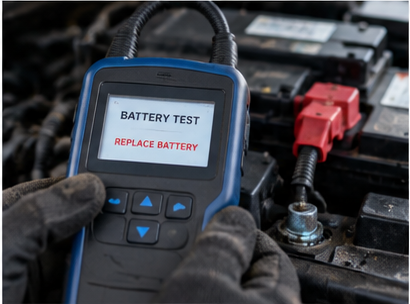
If your battery is approaching the end of its expected lifespan, arrange a professional battery test rather than waiting for it to fail completely. Early testing helps determine whether you need a replacement or whether the battery can continue operating reliably.
What Are the Warning Signs That Your Car Battery Needs Replacing?
Recognising the symptoms of a failing battery is the first step towards avoiding an unexpected breakdown. While individual symptoms can have several causes, the following warning signs deserve attention.
1. Your Engine Takes Longer to Start
One of the most common signs of a weak battery is slow engine cranking. When you turn the key or press the start button, the engine may turn over more slowly than usual before starting.
This happens when the battery cannot supply sufficient electrical current to the starter motor. Although cold weather can make starting more difficult, an ageing or deteriorating battery may struggle even under normal conditions.
If your vehicle consistently takes longer to start, arrange a battery and starting-system test. A professional inspection can establish whether car battery replacement is necessary or whether another component is responsible.
2. Your Headlights and Dashboard Lights Become Dim
Your vehicle’s battery supports several electrical systems, particularly when starting the engine. If the battery becomes weak, you may notice dim headlights, flickering dashboard lights or interior lights that appear less bright than usual.
Electrical accessories may also behave inconsistently, especially when the engine is switched off or during startup.
However, dim lighting does not automatically mean the battery is failing. Problems with the alternator, electrical connections or wiring can produce similar symptoms. A proper diagnostic check helps identify the underlying cause.
3. You Hear Clicking When Starting the Car
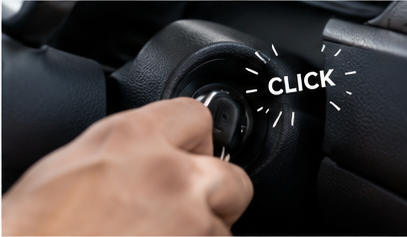
A clicking noise when you attempt to start your car can indicate that the battery does not have enough power to operate the starter motor correctly.
You may hear a single click or repeated rapid clicking without the engine turning over. This can occur when the battery charge is low or when its terminals have poor electrical connections.
Although a weak battery is a common possibility, a faulty starter motor or damaged connection can produce similar symptoms.
If the clicking continues, have the battery, terminals and starting system inspected before deciding on a replacement.
4. Your Battery Needs Frequent Jump-Starts
Occasionally needing a jump-start does not necessarily mean your battery has reached the end of its life. For example, leaving headlights switched on overnight can drain an otherwise healthy battery.
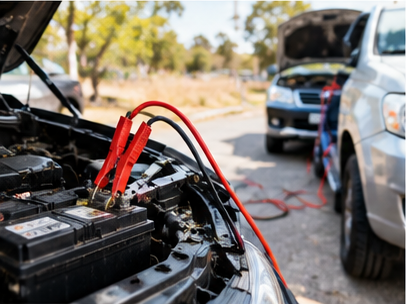
However, if your vehicle repeatedly requires a jump-start, the battery may no longer hold a sufficient charge. A faulty alternator or an electrical component drawing power while the vehicle is parked could also be responsible.
Repeated jump-starts should not become a long-term solution. A professional battery test and charging-system inspection can help determine whether replacement is the most appropriate option.
5. Your Battery Has Visible Damage or Corrosion
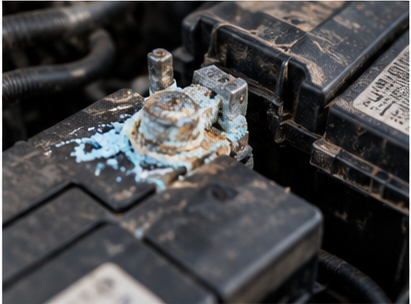
Visual changes can provide additional clues about battery condition. Look for corrosion around the terminals, cracked casing, leaking fluid or a swollen battery case.
Corrosion can interfere with electrical connections, while swelling may indicate internal damage caused by excessive heat, overcharging or other faults.
Never handle a leaking, cracked or swollen battery unnecessarily. Battery acid and damaged battery components can present safety risks. Arrange a professional inspection and replacement where required.
What Causes a Car Battery to Fail?
Understanding why batteries deteriorate can help you recognise potential problems and take better care of your vehicle.
Extreme Temperatures
Heat can accelerate internal chemical deterioration, damage battery components and shorten battery lifespan. Cold conditions can also reduce the amount of power a battery can deliver, making an ageing battery more likely to struggle during startup.
Australian summers can place considerable stress on vehicle batteries, particularly when cars are regularly parked outdoors.
Frequent Short Trips
Starting your engine uses battery power. The alternator replenishes that energy while the engine runs, but frequent short journeys may not provide enough time to restore the charge fully.
Over time, repeated undercharging can contribute to reduced battery performance.
Leaving Electrical Accessories On
Headlights, interior lights, dash cameras and other electrical accessories can drain a battery when they continue operating while the engine is switched off.
If your battery has been drained repeatedly, testing can help establish whether it remains healthy or requires replacement.
Age and Poor Connections
As a battery ages, its internal components gradually deteriorate, reducing its ability to store and deliver energy.
Loose terminals, corrosion and damaged wiring can also interfere with charging and starting performance. These issues should be checked before replacing the battery, as a new battery may not solve the problem if the underlying fault remains.
How to Tell Whether You Need a New Battery or Just a Recharge
A flat battery and a failing battery can produce similar symptoms, so replacing a battery without testing may lead to unnecessary expenses.
If the battery has been drained because the lights were left on, a suitable recharge may restore normal performance, provided the battery is otherwise healthy.
However, a battery that repeatedly loses charge, fails a capacity test or cannot retain sufficient power after charging may need replacement.
A professional assessment generally involves checking the battery’s condition, testing its ability to deliver starting current and inspecting the alternator and charging system. The technician may also check for loose terminals, damaged wiring or an electrical drain while the vehicle is parked.
These checks help determine the correct solution rather than simply treating the symptoms.

How to Maintain Your Car Battery and Extend Its Lifespan
Although every battery eventually wears out, sensible maintenance can help reduce avoidable problems.
Keep Battery Terminals Clean
Corrosion and loose connections can interfere with the flow of electricity. Have the terminals inspected regularly and ensure connections are secure. If significant corrosion is present, seek professional cleaning and inspection.
Avoid Leaving Accessories Running
Switch off lights and electrical accessories when leaving your vehicle. If your car has a dash camera or another device that operates while parked, ensure it is installed and configured appropriately to minimise unnecessary battery drain.
Drive Your Vehicle Regularly
Long periods without driving can allow a battery to discharge. Regular driving may help maintain its charge, although the charging time required varies by vehicle and battery condition. A suitable battery maintainer may be useful for vehicles that remain parked for extended periods.
Arrange Regular Battery Testing
Battery testing is particularly worthwhile before long journeys, during routine servicing and when your battery is approaching the end of its expected lifespan.
If you notice slow starting or other warning signs, do not wait until the vehicle stops working. Early testing can help identify whether maintenance, recharging or car battery replacement is required.
When Should You Book a Professional Car Battery Replacement?
You should arrange a professional inspection if your vehicle struggles to start repeatedly, requires frequent jump-starts or shows signs of battery damage.
A replacement may be necessary when testing confirms that the battery can no longer deliver adequate starting power or retain a reliable charge.
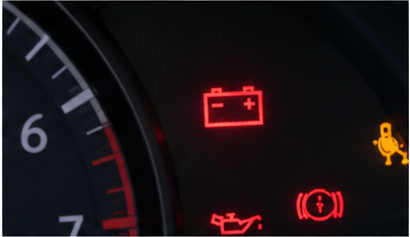
It is equally important to investigate battery warning lights. A battery-shaped dashboard warning can indicate a charging-system fault, including a problem with the alternator, rather than a failed battery alone.
A qualified technician can check the battery, charging system, terminals and related electrical components before recommending the appropriate repair.
When replacing the battery, ensure the new unit matches your vehicle manufacturer’s specifications. Vehicles with start-stop technology or battery monitoring systems may require a particular battery type and, in some cases, electronic battery registration after installation.

Reliable Car Battery Replacement and Diagnostics at AEMAC
A failing battery can disrupt your day and leave you stranded when you least expect it. Identifying the warning signs early and arranging the correct diagnosis can help you avoid unnecessary inconvenience.
At AE Auto Electrical & Mechanical (AEMAC), professional vehicle diagnostics and auto electrical expertise help identify problems affecting your car’s starting and charging systems. If your vehicle is experiencing starting difficulties, electrical issues or recurring battery problems, a professional assessment can help determine the next steps.
Rather than assuming the battery is the only cause, have the relevant components checked to identify the source of the fault.
Experiencing battery problems? Visit AEMAC to get in touch with the team and arrange a professional vehicle inspection.