
Introduction
Your vehicle’s electrical system plays a vital role in its overall performance, safety and reliability. From starting the engine to powering headlights, air conditioning controls and dashboard instruments, numerous electrical components work together every time you drive.
When something goes wrong, the symptoms may initially appear minor. You might notice flickering lights, a slow engine start or an accessory that suddenly stops working. However, these problems can sometimes indicate a deeper fault that requires professional attention.
Knowing when to arrange Auto Electrical Repair can help you address these issues before they affect other vehicle components. Ignoring electrical faults may lead to recurring battery problems, unreliable starting, malfunctioning safety systems or unexpected breakdowns.
In this guide, we explain ten common warning signs of automotive electrical problems, their possible causes and when you should seek professional assistance.
10 Signs Your Car Needs an Auto Electrical Repair
1. Your Car Has Difficulty Starting
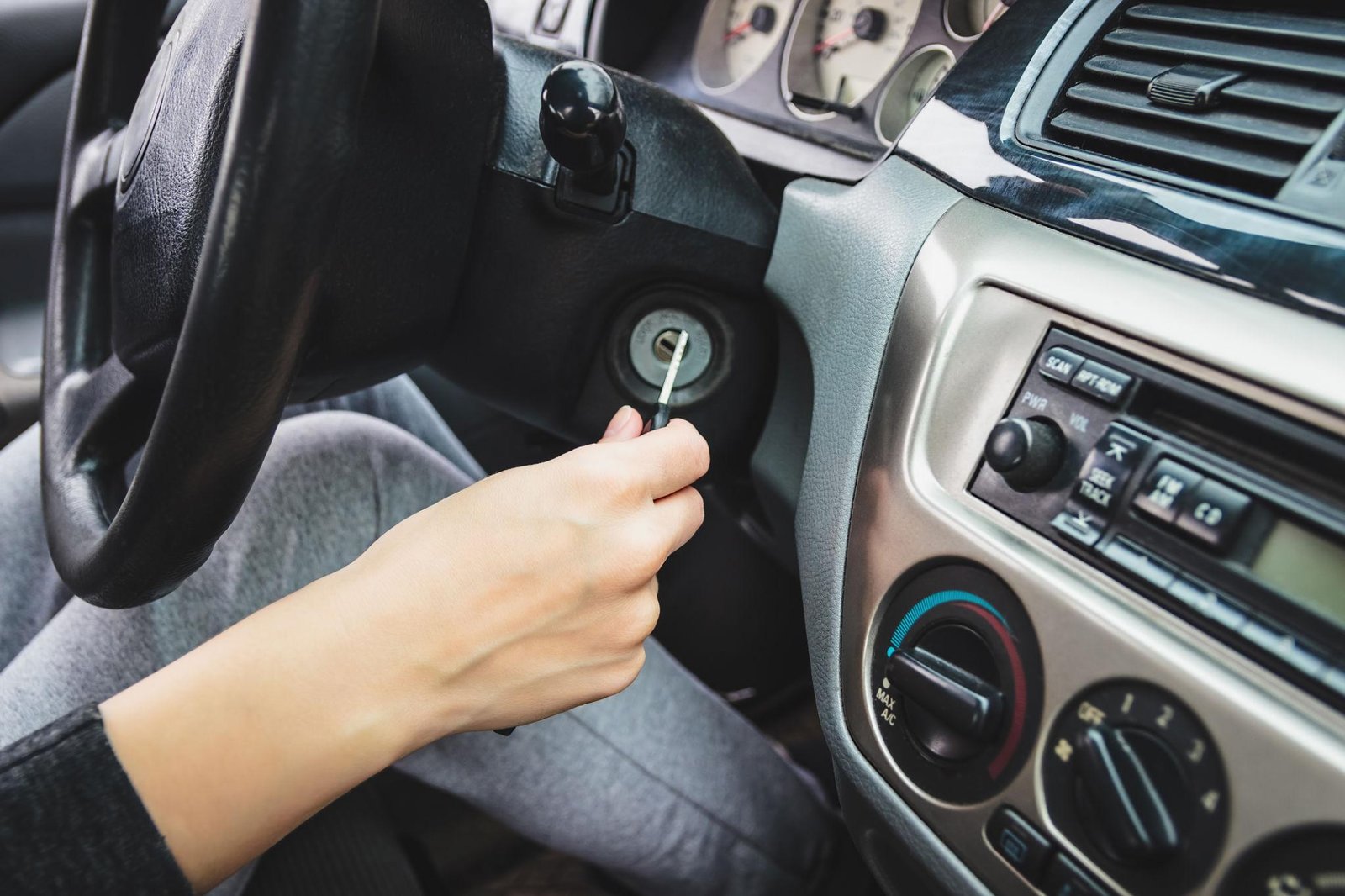
One of the most noticeable signs of an electrical problem is difficulty starting your vehicle. When you turn the key or press the start button, the engine may crank slowly, produce a clicking sound or fail to start altogether.
Although a flat or deteriorating battery is a common cause, the problem could also involve a faulty starter motor, loose battery terminals, damaged wiring or a malfunctioning ignition system.
If your vehicle repeatedly struggles to start, arrange a professional inspection. An auto electrician can test the battery, starter motor and relevant electrical connections to determine the underlying cause.
Early diagnosis can help prevent the inconvenience of being stranded with a vehicle that will not start.
2. Your Headlights Are Dim or Flickering
Headlights are essential for safe driving, particularly at night and in poor weather conditions. If your headlights become unusually dim, flicker while driving or change brightness unexpectedly, your vehicle may have an electrical fault.
Potential causes include a weak battery, a failing alternator, corroded connections, damaged wiring or a problem with the lighting circuit.
Dim or flickering lights should not be ignored because they can reduce visibility and make driving less safe. If the lights repeatedly change brightness, professional auto electrical diagnostics can help identify whether the issue originates in the charging system or the lighting components.
3. Your Battery Keeps Going Flat
A battery that repeatedly loses charge can indicate more than a worn-out battery. While an ageing battery may struggle to hold sufficient power, faults elsewhere in the electrical system can produce similar symptoms.
For example, a failing alternator may not recharge the battery correctly while the engine is running. Alternatively, an electrical component may continue drawing power when the vehicle is switched off.
Repeated jump-starts are not a reliable long-term solution. A professional inspection should include battery testing, charging-system checks and, where necessary, an assessment of parasitic electrical drain.
Proper diagnosis helps ensure that replacing the battery does not simply leave the original problem unresolved.
4. Your Dashboard Warning Lights Stay On
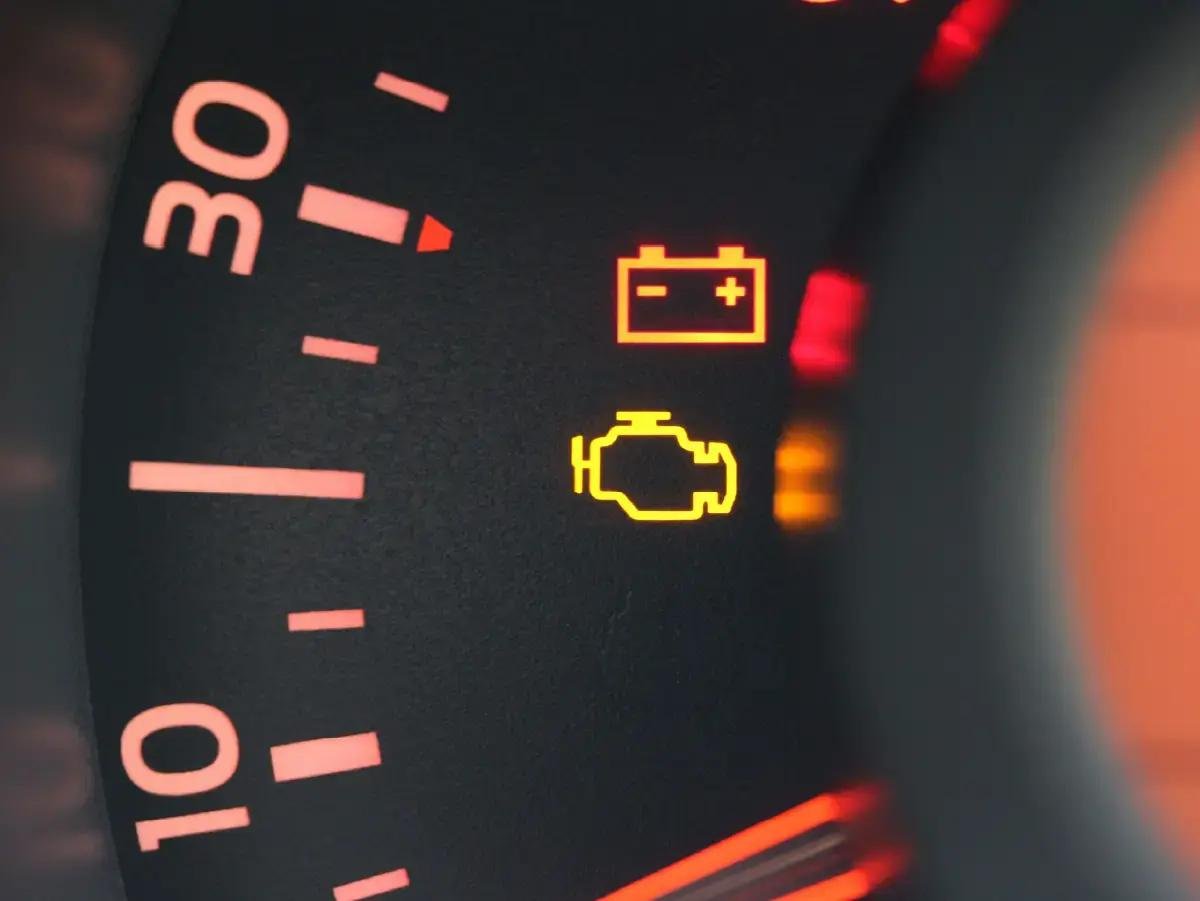
Dashboard warning lights help alert drivers to potential vehicle problems. If a battery warning light remains illuminated, or several warning lights appear unexpectedly, an electrical or electronic fault may be responsible.
Possible causes include charging-system issues, faulty sensors, damaged wiring, poor electrical connections or communication problems between vehicle control modules.
The meaning of each warning light depends on the vehicle and the system involved. Some warnings require immediate attention, particularly those relating to braking, engine temperature or other safety-critical functions.
Check your owner’s manual and seek professional assistance when necessary. Diagnostic equipment can help identify stored fault codes and guide the next steps in the repair process.
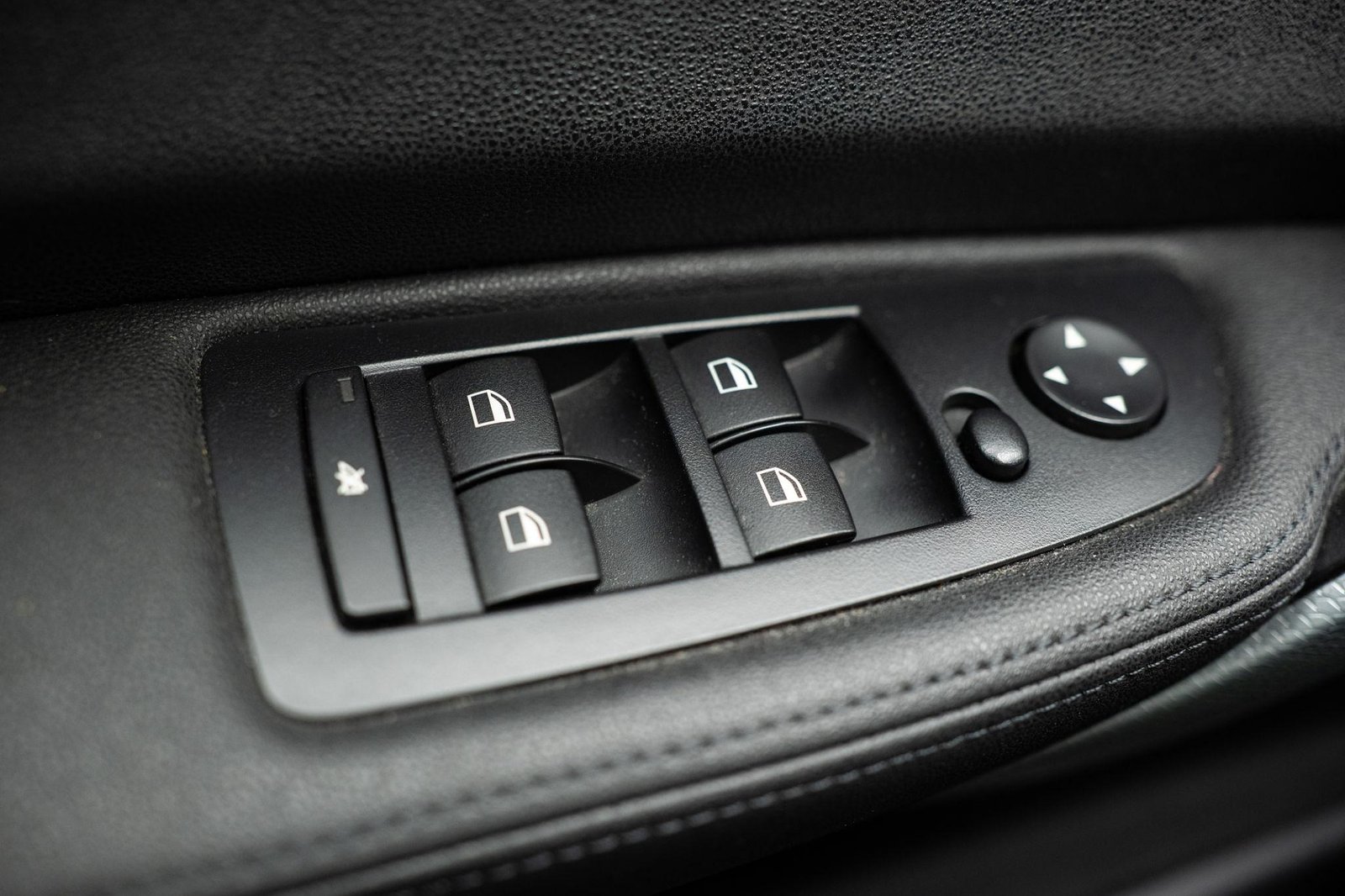
5. Your Power Windows or Door Locks Stop Working
Modern vehicles use electrical switches, motors, actuators and control modules to operate features such as power windows and central locking.
If a window suddenly stops moving, the door locks operate inconsistently or several electrical accessories fail at the same time, an electrical fault may be present.
Possible causes include a blown fuse, faulty switch, damaged wiring inside a door, a failed motor or a problem with the relevant control module.
If only one component is affected, the fault may be localised. However, several malfunctioning accessories can indicate a wider electrical issue.
A professional inspection can help identify the faulty component and restore normal operation without unnecessary parts replacement.
6. You Notice a Burning Smell or Damaged Wiring
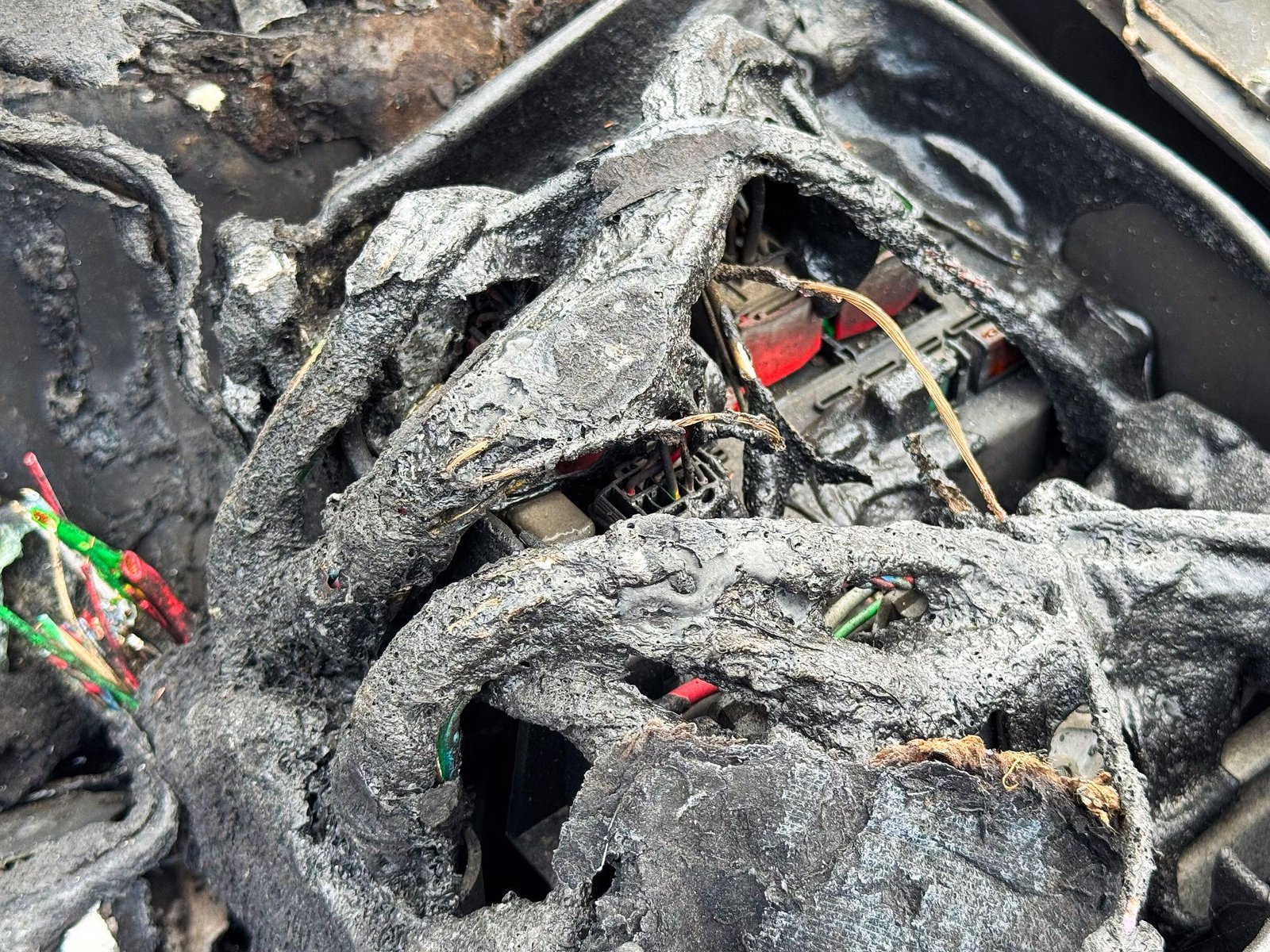
A burning plastic smell, smoke or visibly damaged electrical wiring can indicate a serious fault. Electrical shorts, overheating connections and overloaded circuits can damage vehicle components and create a fire risk.
If you notice smoke or a strong burning smell, stop somewhere safe, switch off the engine and move away from the vehicle if there is an immediate danger. Do not continue driving or attempt to handle exposed wiring.
If a fire appears to be developing, move to a safe distance and contact emergency services.
Arrange professional assistance before using the vehicle again. An auto electrician can inspect the affected wiring, connectors and circuits to identify the cause and determine what repairs are required.
7. Your Fuses Keep Blowing
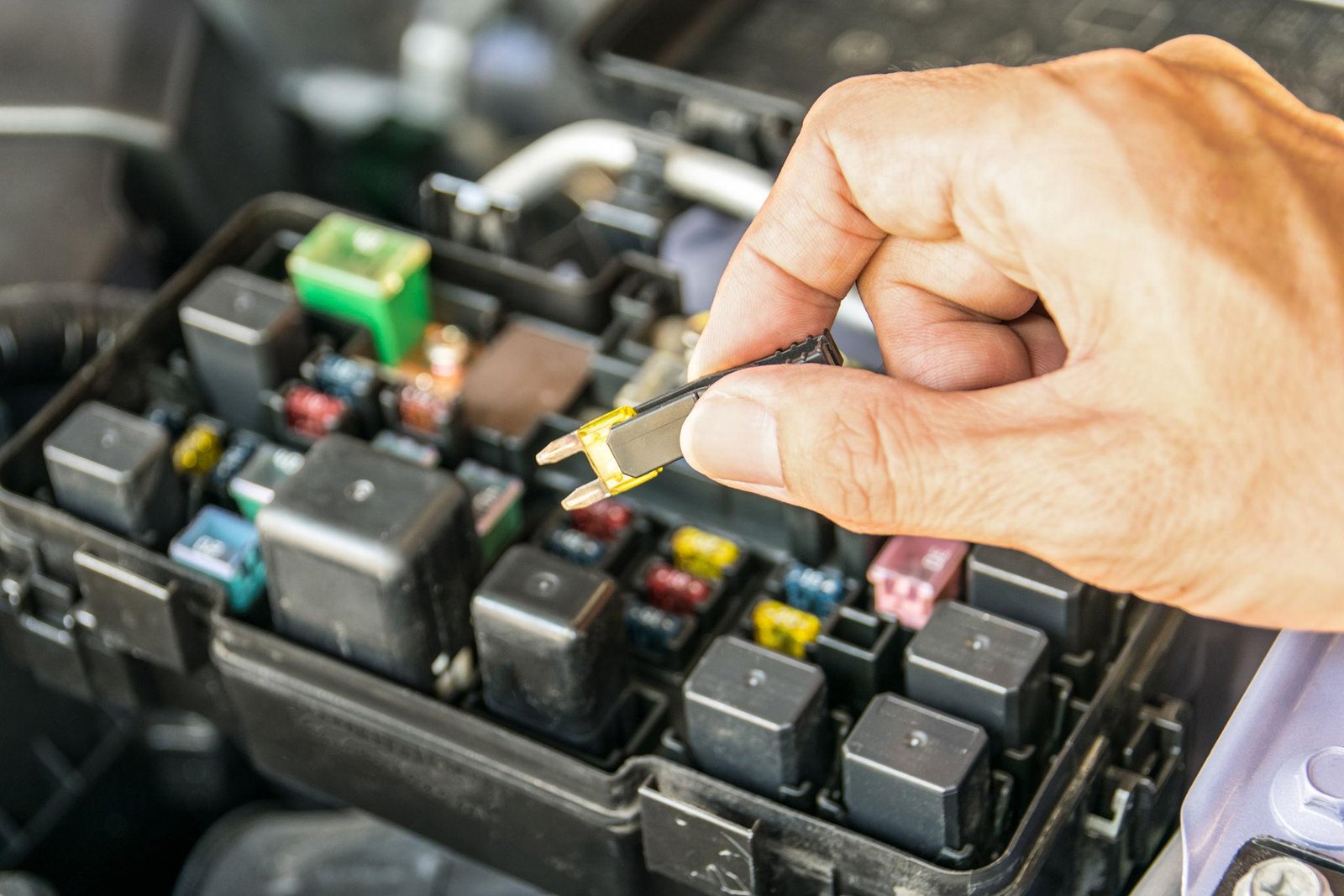
Fuses protect electrical circuits by interrupting the flow of current when it exceeds a specified level. A blown fuse may cause a particular accessory, lighting circuit or electrical function to stop working.
Occasionally, a fuse may fail because of a temporary issue. However, if the same fuse repeatedly blows, there may be a short circuit, damaged wiring, a faulty component or an incorrect electrical load.
Replacing the fuse repeatedly without investigating the cause can leave the underlying problem unresolved.
Never replace a fuse with one rated higher than the manufacturer’s specification. The correct fuse rating is essential for circuit protection. If the problem persists, professional auto electrical repair can help identify and resolve the fault safely.
8. Your Alternator May Not Be Charging Properly
The alternator generates electricity while the engine runs and helps recharge the battery. If it fails to operate correctly, the vehicle may gradually lose electrical power.
Common warning signs include a battery warning light, dim headlights, recurring flat batteries and electrical accessories that behave inconsistently.
Other components, including the drive belt, wiring and charging connections, can also affect charging performance.
A battery warning light does not automatically mean the alternator needs replacing. The battery and charging system should be tested together to identify the actual cause.
Prompt diagnosis can help prevent a charging fault from leaving you unable to restart the vehicle.
9. Your Car’s Audio System or Electronic Accessories Malfunction
Modern vehicles contain numerous electronic features, including infotainment systems, reversing cameras, parking sensors, navigation displays and climate control interfaces.
If these systems repeatedly restart, lose power or stop responding, an electrical issue may be responsible.
Potential causes include poor connections, faulty fuses, damaged wiring, software-related faults or problems with an electronic control module.
If several accessories fail simultaneously, the issue may involve a shared power supply or communication circuit rather than each component failing independently.
Professional diagnostics can help isolate the fault and determine whether the problem requires electrical repair, component replacement or further electronic testing.
10. Your Car Experiences Repeated Electrical Problems
Recurring electrical issues are a strong reason to arrange a comprehensive inspection. You may have already replaced the battery, repaired a light or changed a fuse, only for another electrical problem to appear soon afterwards.
Repeated faults can sometimes indicate an unresolved underlying issue, such as poor grounding, damaged wiring, water ingress, a charging-system problem or excessive electrical drain.
Modern vehicles also depend on interconnected electronic systems, meaning a single fault can affect multiple functions.
Rather than treating every symptom separately, a professional auto electrician can assess the relevant circuits, inspect connections and use diagnostic equipment to identify potential root causes.
A thorough diagnosis helps reduce repeat repairs and supports the long-term reliability of your vehicle.
What Causes Auto Electrical Problems?
Vehicle electrical faults can develop for several reasons. Understanding these causes can help you recognise risks and seek appropriate maintenance.
Battery and Charging-System Issues
Batteries deteriorate over time, while alternator faults can prevent them from charging correctly. Loose terminals and corroded connections can also interfere with the flow of electricity.
Damaged Wiring and Connections
Wiring can become damaged through wear, vibration, heat, moisture or previous repair work. Corroded connectors and poor grounding can lead to intermittent electrical faults.
Blown Fuses and Faulty Components
Fuses may blow because of excessive current, a short circuit or a faulty electrical component. Repeated fuse failures should always be investigated rather than treated as isolated incidents.
Moisture and Environmental Exposure
Water ingress can affect electrical connectors, sensors and control modules. If electrical symptoms appear after water exposure, arrange an inspection to check for potential damage.
How Can Professional Auto Electrical Repair Help?
Professional auto electrical repair involves identifying the source of an electrical fault and carrying out the appropriate corrective work.
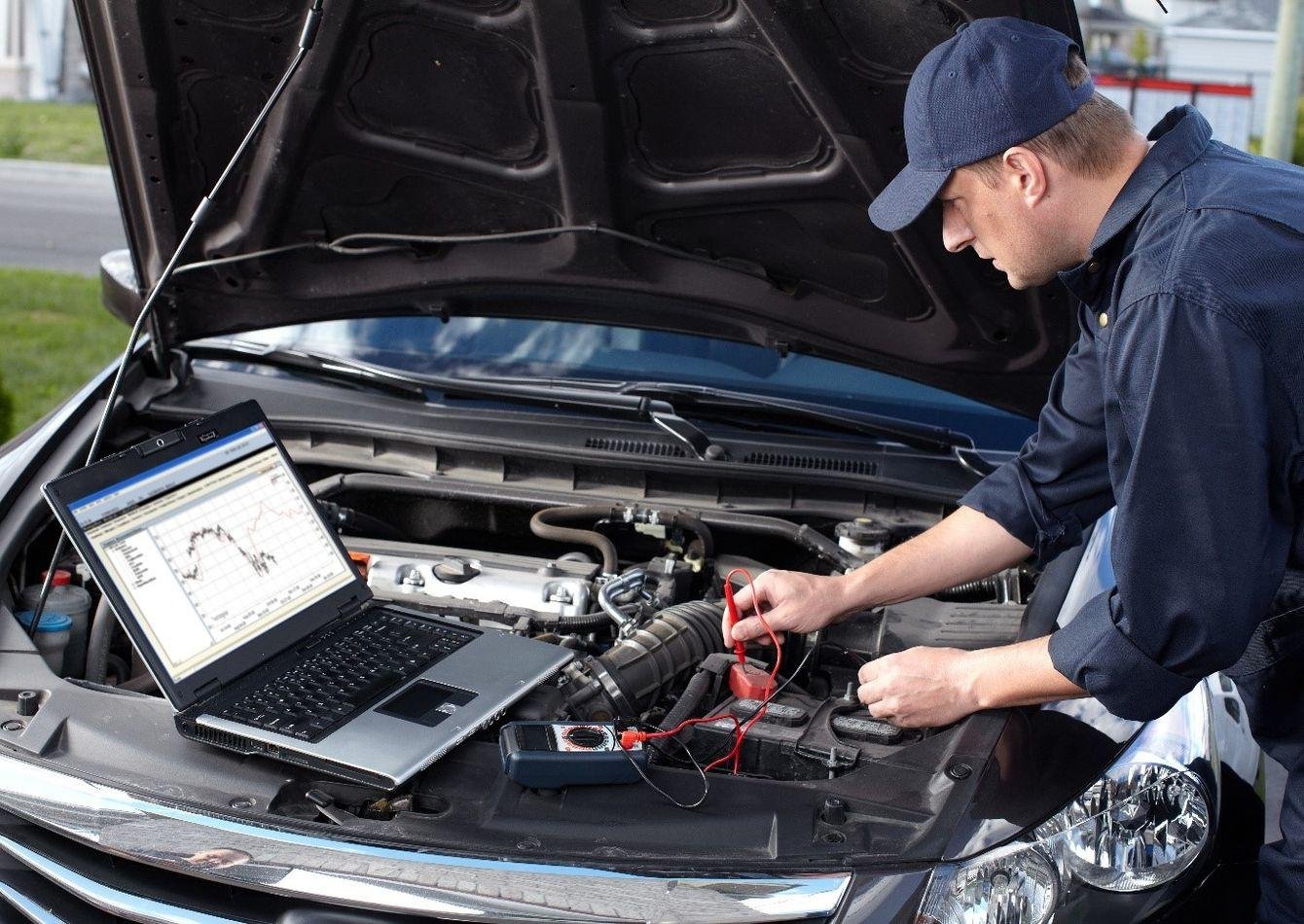
Depending on the symptoms, an inspection may include battery and alternator testing, starter-system checks, fuse and wiring inspections, voltage measurements and electronic fault-code scanning.
The objective is to identify the underlying problem rather than replace parts based on guesswork.
If your vehicle displays warning lights, experiences repeated starting problems or develops multiple electrical faults, professional diagnostics can help determine the most appropriate repair.
When Should You Contact an Auto Electrician?
You should arrange an inspection when electrical symptoms persist, recur or affect your vehicle’s reliability. Problems such as repeated battery discharge, malfunctioning lights, faulty power accessories and recurring warning lights deserve attention.
Some symptoms require more urgent action. Smoke, burning smells, exposed wiring or a suspected electrical fire should never be ignored. Stop using the vehicle and seek appropriate assistance.
If your vehicle suddenly loses electrical power while driving or develops a serious safety-related warning, pull over when safe and arrange professional help.
Early diagnosis can help prevent minor faults from becoming more complicated repairs.
Reliable Auto Electrical Repair at AEMAC
Electrical faults can affect everything from engine starting to lighting, charging and electronic accessories. Identifying the underlying cause is essential for restoring your vehicle’s reliability and ensuring that important systems operate correctly.
At AE Auto Electrical & Mechanical (AEMAC), professional vehicle diagnostics and auto electrical expertise can help identify problems affecting your vehicle’s electrical systems.
Whether you are experiencing battery issues, faulty lighting, recurring warning lights or malfunctioning electrical accessories, arranging a professional inspection is a sensible first step.
Experiencing electrical problems with your vehicle? Visit AEMAC to contact the team and arrange a professional inspection.
Frequently Asked Questions
What are the most common signs of car electrical problems?
Common signs include difficulty starting, dim headlights, repeated flat batteries, dashboard warning lights, malfunctioning power windows and recurring blown fuses. These symptoms can have different causes, so proper diagnosis is important.
When should I book an auto electrical repair?
Arrange an inspection when electrical problems persist, return after repairs or affect vehicle reliability. Burning smells, smoke and exposed wiring require immediate safety precautions and professional assistance.
Can a faulty alternator cause electrical problems?
Yes. A faulty alternator may prevent the battery from charging correctly, leading to dim lights, repeated battery discharge and other electrical symptoms. Testing is necessary to confirm the cause.
Why does my car battery keep going flat?
Possible causes include an ageing battery, a faulty alternator, poor electrical connections or a component drawing power while the vehicle is switched off. A battery and charging-system assessment can help identify the problem.
Is it safe to drive with an electrical fault?
It depends on the fault. Minor accessory issues may not immediately affect vehicle operation, but problems involving headlights, braking systems, charging or exposed wiring can create serious safety risks. Stop driving when it is unsafe and seek professional advice.
Can an auto electrician diagnose dashboard warning lights?
Yes. An auto electrician can use suitable diagnostic equipment to retrieve fault codes and investigate electrical or electronic issues. The warning light’s meaning and the required repair depend on the affected vehicle system.