
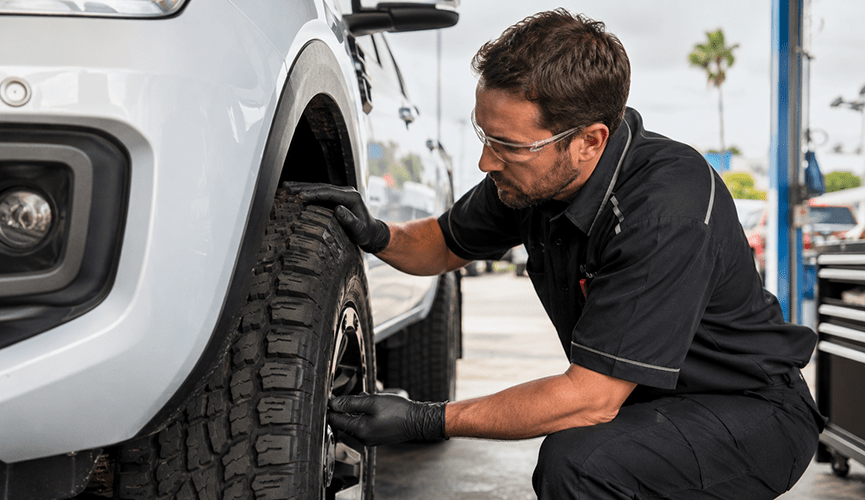
Your tyres are the only part of your vehicle that stays in constant contact with the road. Every turn, stop, and acceleration depends on them doing their job properly. Yet many drivers do not think about their tyres until they fail a roadworthiness inspection or develop a problem.
Knowing when to change tyres is about more than following a maintenance schedule. It is about protecting yourself, your passengers, and everyone else on the road. A worn tyre can struggle to grip the surface, especially during heavy rain. It can also increase braking distances and affect handling when you need control most.
If you have ever wondered when to change your tyres, this guide will help you identify the warning signs, understand Queensland requirements, and learn practical ways to extend tyre life without compromising safety.
How Do I Know When to Change My Tyres? The Top Signs
Many drivers ask, how do I know when to change my tyres? The answer often comes down to spotting warning signs before they become serious safety concerns.
Tyres rarely fail without giving clues. The challenge is knowing what to look for.
Insufficient Tread Depth (The 1.5mm Rule)
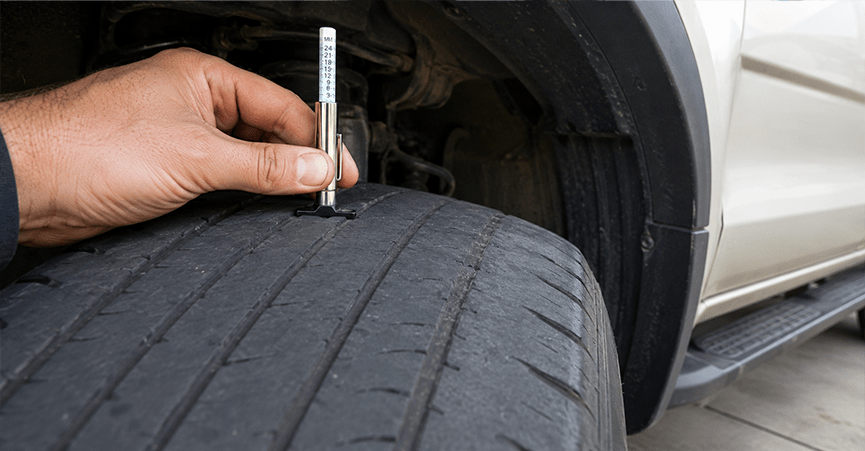
Tyre tread plays an important role in helping tyres grip the road and disperse water during wet conditions. In Queensland, the legal tread limit is 1.5mm across the tyre’s main tread area. Once the tread wears below this point, the tyre is considered unsafe and illegal for road use.
Low tread depth can lead to:
- Reduced grip in wet weather
- Longer braking distances
- Increased risk of aquaplaning
- Poor cornering performance
Many drivers wait until tyres look completely worn before replacing them. In reality, it is often a good idea to plan tyre replacement before reaching the legal minimum.
Cracks, Bulges, and Blisters in the Sidewall
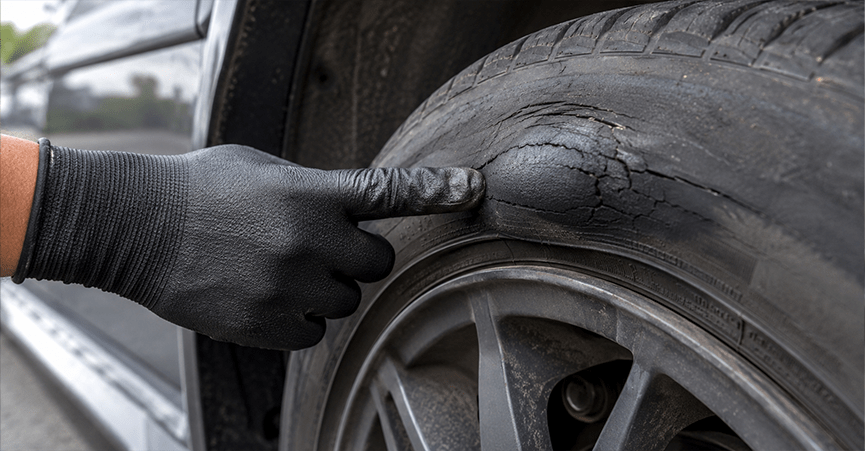
Tyre damage is not always found on the tread. Cracks in the sidewall may indicate aging rubber. Bulges and blisters often suggest internal damage caused by impacts, potholes, or kerb strikes.
These issues weaken the tyre structure and increase the risk of sudden failure. If you notice any visible deformities, it may already be time to replace the tyre.
Punctures and Embedded Objects
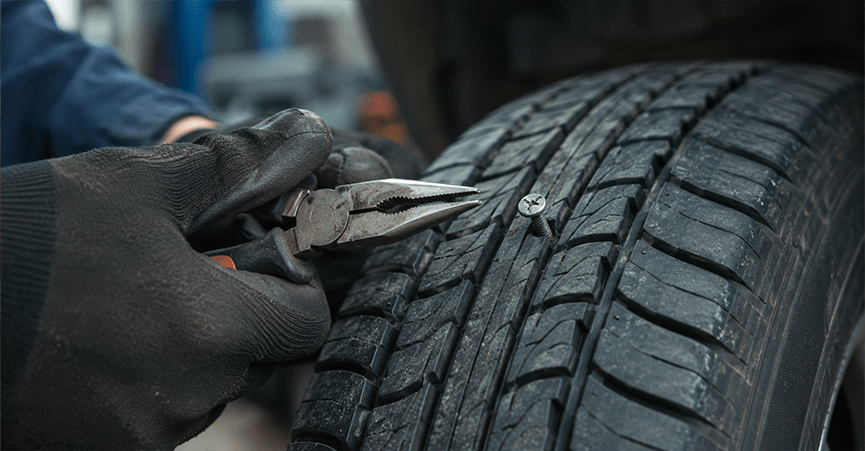
Finding a nail or screw in a tyre does not automatically mean replacement is required. Small punctures located within the repairable area can often be fixed safely. However, larger punctures or damage near the sidewall may require a complete tyre replacement.
When in doubt, seek expert advice from a qualified tyre specialist.
Severe Vibration or Strange Noises While Driving
Unexpected vibrations can indicate several issues.
Potential causes include:
- Uneven tyre wear
- Wheel balancing problems
- Damaged tyres
- Suspension concerns
A tyre that creates unusual noise or vibration should never be ignored. Early inspection can prevent larger mechanical issues and improve safety.
DIY Testing: How Do You Know When to Change Tyres at Home?
Not every tyre inspection requires a workshop visit. Simple checks can help you monitor tyre conditions between services, and if you spot a major issue while parked at home, calling a mobile mechanic mackay team can save you a risky drive to the shop.
If you are wondering how do you know when to change tyres, these quick checks are a useful starting point.
Locating and Reading Tyre Tread Wear Indicators (TWIs)
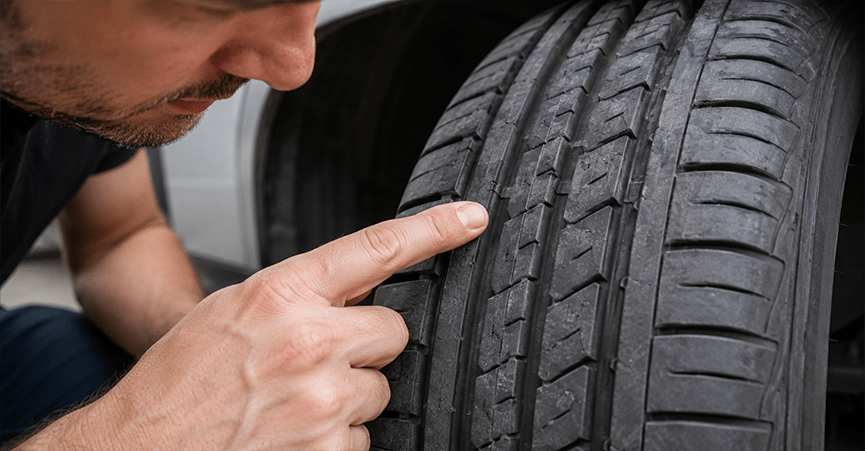
Most tyres include built-in tread wear indicators. These small raised bars sit inside the tread grooves and become level with the tread surface as the tyre wears down.
Once the tread reaches these indicators, replacement should be arranged as soon as possible. Checking these indicators takes only a few minutes and provides a simple way to monitor tread depth.
The Australian 20-Cent Coin Test Explained
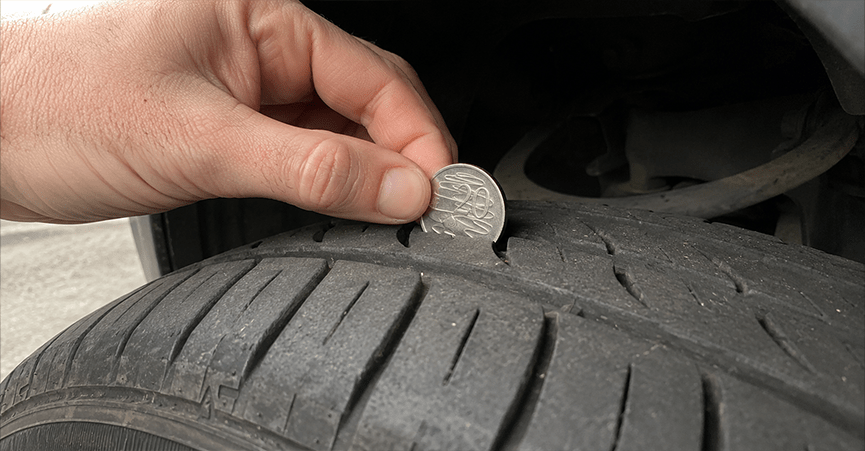
A popular home test uses a standard Australian 20-cent coin. Place the coin into the deepest tread groove.
If the tread no longer reaches the platypus bill, the tyre may be approaching the legal limit and should be inspected professionally. While this method is not as precise as specialist equipment, it can provide a quick indication of tyre wear.
Regular checks help ensure your tyres remain roadworthy between scheduled services.
The 5-Year Rule: How to Know When to Change Car Tyres by Age
Many drivers focus entirely on tread depth and overlook another important factor: age. Even tyres with plenty of tread can become unsafe as the rubber deteriorates over time.
Understanding how to know when to change car tyres involves considering both wear and age.
How to Find Your Tyre’s Manufacture Date
Every tyre includes a manufacturing code stamped into the sidewall. The final four digits indicate the week and year the tyre was produced.
For example:
- 2322 means the tyre was manufactured in week 23 of 2022.
This code helps determine whether tyres are approaching the point where closer monitoring is required.
Why Tropical Mackay Heat Accelerates Tyre Aging
North Queensland conditions can be particularly tough on tyres. High temperatures, strong UV exposure, and humidity gradually affect rubber compounds.
Over time, tyres may:
- Become harder
- Develop cracks
- Lose flexibility
- Deliver reduced grip
This means Mackay drivers should pay close attention to tyre age even if the tread appears healthy. If you are unsure whether your tyres are safe, consulting a trusted mechanic mackay drivers rely on can help identify heat-related deterioration that often develops slowly and may not be immediately visible.
Understanding QLD Roadworthy Standards: When to Change Tyres on Car Wheels Legally
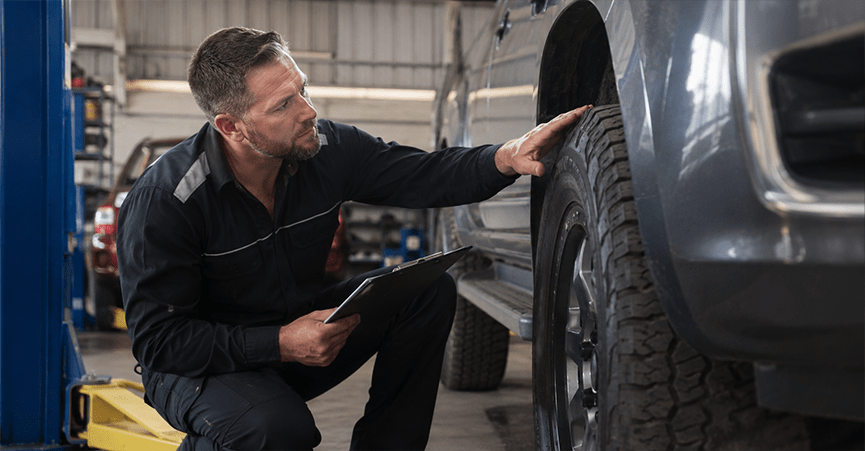
Queensland roadworthiness standards are designed to improve safety and reduce risks on public roads. Knowing when to change tyres on car wheels legally helps avoid penalties and dangerous driving conditions.
What Makes a Tyre Illegal in Queensland?
A tyre may be considered unroadworthy if it has:
- Less than 1.5mm legal tread depth
- Exposed cords
- Significant sidewall damage
- Major cuts or cracks
- Dangerous bulges
Regular checks can help identify these problems before they affect safety or compliance.
Driving on Balding Tyres During Mackay’s Wet Season
Mackay experiences intense rainfall throughout the wet season. When the tread wears down, tyres struggle to disperse water efficiently.
This increases the likelihood of aquaplaning, where tyres lose contact with the road surface and ride across standing water. Even experienced drivers can lose control when tyres cannot clear water effectively.
Maintaining good tyres is one of the simplest ways to improve wet-weather safety.
Troubleshooting Uneven Wear: Identifying When to Change Car Tyres Early
Tyres do not always wear evenly. In fact, unusual wear patterns are often one of the earliest signs that something else on the vehicle needs attention. Understanding these patterns can help you identify when to change car tyres before they become unsafe.
Inner or Outer Edge Wear (Wheel Alignment Issues)
If one edge of the tyre wears faster than the other, wheel alignment could be the cause. Poor alignment changes the angle at which the tyre contacts the road. Over time, this creates uneven tyre wear and shortens tyre life.
Common causes include:
- Hitting potholes
- Mounting kerbs
- Suspension wear
- Rough road conditions
An alignment check can often prevent premature tyre replacement and improve fuel efficiency.
Centre Wear vs Dual Edge Wear (Incorrect Tyre Pressure)
Tyre pressures have a direct impact on tyre lifespan. Overinflated tyres tend to wear faster through the centre of the tread. Underinflated tyres usually wear more heavily along both outer edges.
Incorrect tyre pressures can also affect:
- Braking performance
- Steering response
- Fuel consumption
- Overall tyre wear
Checking tyre pressures regularly is a simple habit that can save money and improve safety.
Cupping or Scalloping (Suspension Problems)
Cupping appears as a series of dips or scalloped sections across the tyre tread.
This pattern often points to:
- Worn shock absorbers
- Suspension issues
- Wheel balancing problems
Unlike normal wear, cupping can create noticeable road noise and vibration. Addressing the underlying issue early helps ensure your tyres wear evenly and last longer.
Pro Tips to Delay When to Change Your Tyres in North Queensland
While every tyre eventually reaches the end of its life, good maintenance can significantly extend its lifespan.
The following tips help reduce unnecessary tyre wear and improve overall performance.
Maintaining Correct Tyre Pressure
Tyre pressures should be checked at least once a month. Many drivers only inspect tyres before long trips, but regular checks offer several benefits:
- Better fuel efficiency
- More even tread wear
- Improved handling
- Reduced risk of blowouts
Always use the pressure recommendations provided by your vehicle manufacturer.
The Importance of Regular Tyre Rotation and Balancing
Front and rear tyres often wear at different rates. Rotating tyres allows wear to be distributed more evenly across all four wheels. Balancing is equally important because it prevents vibration and uneven stress on the tyres.
Regular rotation and balancing can:
- Extend tyre life
- Improve comfort
- Maintain consistent performance
- Reduce uneven tyre wear
For many vehicles, tyre rotation is recommended every 10,000 kilometres.
Driving Habits That Save Your Rubber on Mining and Rural Roads
Driving style has a major impact on tyre life. Harsh acceleration, aggressive braking, and fast cornering all increase tyre wear.
Drivers in North Queensland often travel on mining, rural, and regional roads where surfaces can be rougher than urban streets.
To help tyres last longer:
- Avoid sudden braking
- Slow down on rough roads
- Maintain safe following distances
- Reduce unnecessary loads
Small changes in driving habits can make a noticeable difference over time.
Choosing the Right Tyres for Mackay Conditions
When it is finally time to replace your tyres, selecting the right option matters just as much as the replacement itself. Different tyre designs are built for different driving environments.
Highway Terrain vs All-Terrain Tyres
Highway terrain tyres are designed primarily for sealed roads.
Benefits include:
- Quieter performance
- Better fuel efficiency
- Comfortable highway driving
- Strong wet-weather handling
All-terrain tyres are designed for drivers who regularly travel beyond paved roads.
Advantages include:
- Improved grip on gravel
- Better durability on rough surfaces
- Increased versatility for regional travel
The right choice depends on how and where you drive.
A vehicle used mainly for commuting around Mackay may benefit from highway terrain tyres. Drivers who regularly visit rural properties or travel off-road may find all-terrain tyres more suitable.
Seeking expert advice can help ensure your tyres match your driving needs.
Next Steps
Don’t Risk Your Safety on the Road
Knowing when to change tyres is not just about meeting legal requirements. It is about keeping your vehicle safe, reliable, and prepared for the conditions you face every day.
Tyres naturally wear down over time. Heat, road conditions, tyre pressures, driving habits, and age all influence how quickly that happens. Regular checks allow you to spot warning signs before they become serious problems.
If you notice low tread depth, sidewall damage, uneven tyre wear, unusual vibration, or aging rubber, it may already be time to replace your tyres.
At AEMAC Industries, we provide comprehensive mackay mechanical solutions where vehicle safety starts with the basics. Good tyres improve handling, braking performance, fuel efficiency, and driver confidence in all conditions.
If you are unsure about your tyre conditions or want peace of mind before your next trip, visit our Mackay workshop for a complimentary tyre safety and pressure check. The team can assess tread depth, tyre wear patterns, and overall condition to help you make informed decisions about tyre replacement.
Protect your vehicle, your passengers, and your investment by ensuring your tyres remain roadworthy year-round.
FAQs
How many kilometres should a car tyre last in Australia?
Most tyres last between 40,000 and 80,000 kilometres, depending on driving habits, maintenance practices, and road conditions.
What is the legal minimum tyre tread depth in Queensland?
Queensland law requires a minimum tread depth of 1.5 mm across the tyre’s principal grooves around the circumference.
Can I replace just two tyres instead of all four?
Yes, provided the remaining tyres remain safe, roadworthy, and suitable for balanced vehicle handling performance.
How does Mackay’s hot weather affect my tyres?
High temperatures accelerate rubber deterioration, increasing tyre wear and reducing flexibility, grip, and overall lifespan.
How often should I check tyre pressure and get an alignment?
Check tyre pressures monthly and arrange wheel alignment inspections whenever uneven wear or handling changes appear.